Description
The Kubota L3940HST-3 bucket tilt cylinder is a high-quality replacement hydraulic cylinder. It’s part of several categories including Double-Acting Welded Rod Hydraulic Cylinders, Kubota, Replacement Welded Rod Hydraulic Cylinders, and Welded Cylinders. This product, manufactured by Kubota Hydraulic Cylinders, is designed for a tractor loader function.
This bucket tilt cylinder is designed with a 50mm bore and a 30mm rod. It has a stroke of 18.25″ and a closed length of 26.62″. When extended, the cylinder reaches a length of 44.87″. Both the base pin size and the rod pin size are 1.00″, and the base mount and rod mount widths are 2.37″ and 2.25″ respectively. Weighing 36.0 lbs, this cylinder is robust and reliable. To ensure the longevity of this product, regular maintenance including checking for leaks, monitoring the hydraulic fluid, and inspecting for any signs of wear or damage is essential.
At Xinlan, we are proud to offer top-notch products like the Kubota L3940HST-3 bucket tilt cylinder. We invite you to explore the superior quality and exceptional performance of our products. Don’t hesitate to add this to your cart today and experience the difference yourself. 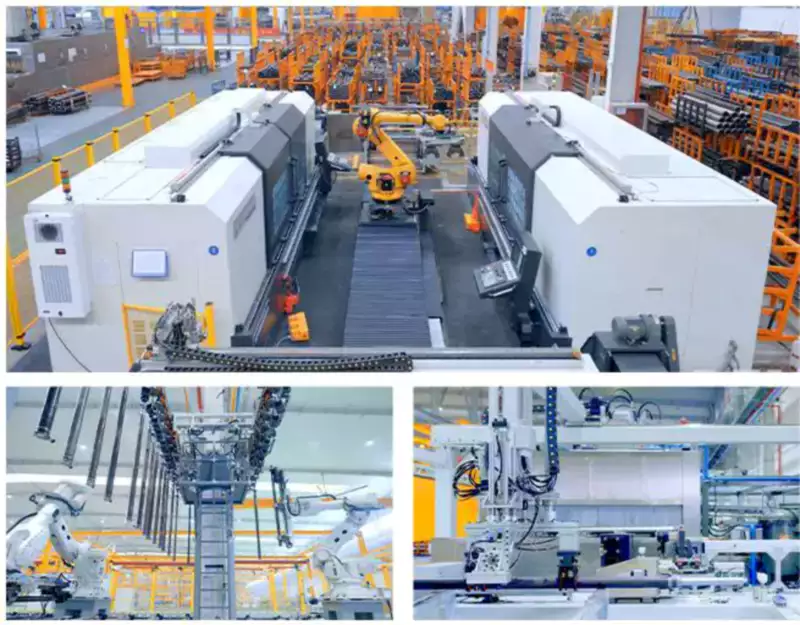
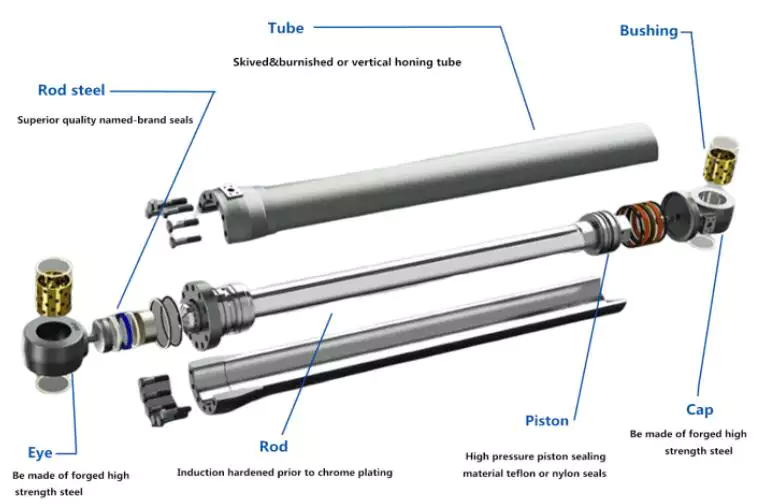
Want to see where the magic happens? Visit our virtual VR factory and immerse yourself in the world of hydraulic cylinder manufacturing:
At Xinlan, we also offer customization services to meet your specific needs. You can trust our experts to deliver hydraulic cylinders that match your exact specifications. See our customization process here: 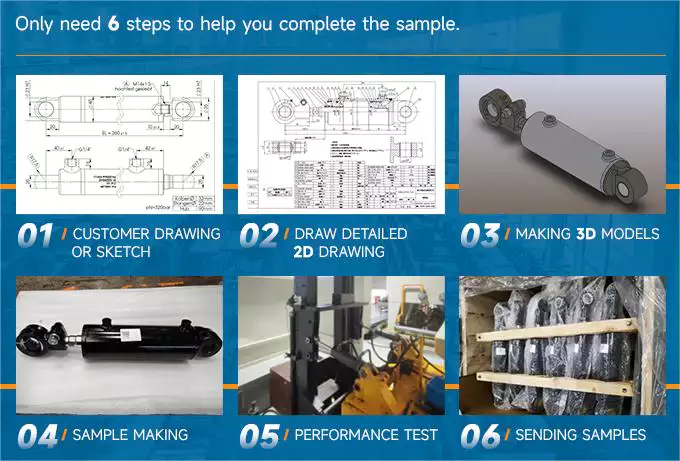
Q&A
Q1: What is the weight of the Kubota L3940HST-3 bucket tilt cylinder?
A1: The Kubota L3940HST-3 bucket tilt cylinder weighs 36.0 lbs.
Q2: What is the stroke length of the Kubota L3940HST-3 bucket tilt cylinder?
A2: The stroke length of the Kubota L3940HST-3 bucket tilt cylinder is 18.25″.
Q3: What maintenance does the Kubota L3940HST-3 bucket tilt cylinder require?
A3: Regular maintenance for the Kubota L3940HST-3 bucket tilt cylinder includes checking for leaks, monitoring the hydraulic fluid, and inspecting for any signs of wear or damage.
Learn more about how a hydraulic cylinder works: